
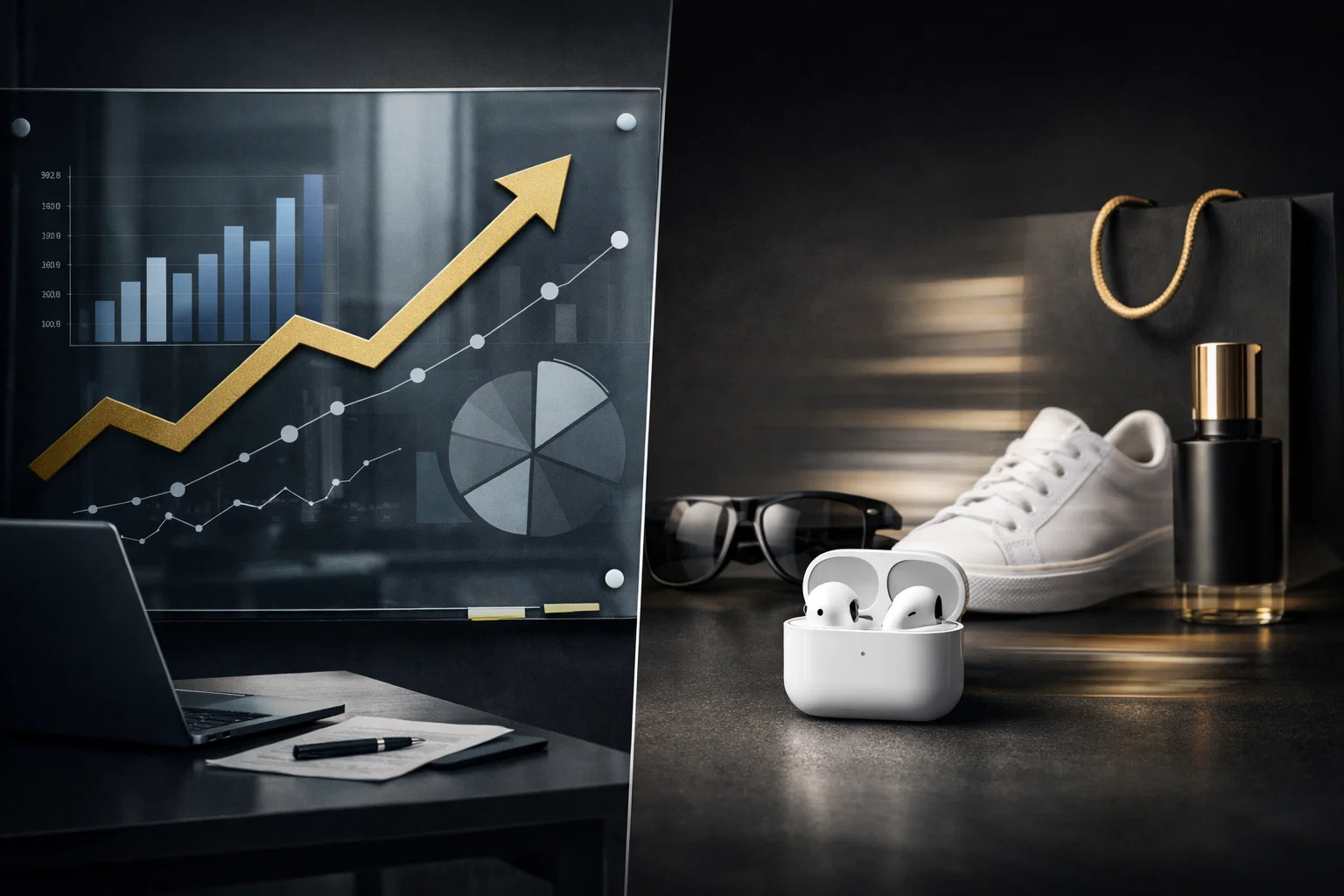

Not all leads are created equal.
And more importantly — not all lead generation strategies work the same way.
One of the biggest mistakes businesses make is applying B2C tactics to B2B markets (or vice versa). The result?
- Low conversion rates
- Wasted ad spend
- Confused messaging
- Unqualified inquiries
If you want predictable growth, you must understand the structural difference between B2B vs B2C lead generation.
This guide breaks down the key differences, practical examples, and best practices for each model so you can build the right strategy for your business.
What Is B2B Lead Generation?
B2B (Business-to-Business) lead generation focuses on attracting other businesses as customers.
You’re typically targeting:
- Founders
- CEOs
- Marketing Directors
- Operations Managers
- Procurement teams
B2B purchases often involve:
✔ Higher deal value
✔ Longer decision cycles
✔ Multiple stakeholders
✔ Budget approvals
✔ Research-driven decisions
The focus is on logic, ROI, and long-term partnerships.
What Is B2C Lead Generation?
B2C (Business-to-Consumer) lead generation targets individual customers.
You’re marketing to:
- Personal buyers
- End users
- Individuals making direct purchasing decisions
B2C purchases are often:
✔ Faster
✔ Emotion-driven
✔ Lower-ticket (in most cases)
✔ Simpler decision processes
The focus is on speed, desire, and convenience.
Core Differences Between B2B and B2C Lead Generation
Let’s break it down clearly.
| Factor | B2B Lead Generation | B2C Lead Generation |
|---|---|---|
| Decision Time | Long (weeks/months) | Short (minutes/days) |
| Deal Value | High | Usually lower |
| Decision Makers | Multiple | Single buyer |
| Content Style | Educational, data-driven | Emotional, benefit-focused |
| Sales Process | Structured pipeline | Direct conversion |
| Lead Nurturing | Essential | Often minimal |
| Channels | LinkedIn, Email, SEO | Social Ads, Influencers, PPC |
Understanding these differences prevents strategic confusion.
Messaging: Logic vs Emotion
One of the biggest distinctions in B2B vs B2C lead generation is messaging.
In B2B:
Buyers want:
- ROI clarity
- Cost breakdown
- Case studies
- Industry relevance
- Long-term impact
In B2C:
Buyers respond to:
- Immediate benefits
- Emotional triggers
- Lifestyle appeal
- Discounts and urgency
Trying to use emotional urgency in B2B often feels unprofessional.
Using heavy data-driven messaging in B2C often feels overwhelming.
Alignment matters.
Funnel Structure Differences
B2B Funnel
- Awareness (educational content)
- Consideration (case studies, webinars)
- Evaluation (demo, consultation)
- Decision (proposal, negotiation)
Lead nurturing is critical at every stage.
B2C Funnel
- Awareness (ads, social content)
- Interest (product page)
- Decision (checkout)
The process is shorter and less layered.
Channel Strategy: Where They Differ
Best Channels for B2B Lead Generation
- LinkedIn outreach
- Cold email campaigns
- SEO targeting high-intent queries
- Webinars
- Industry reports
- Paid search ads
The goal is targeting specific professionals.
Best Channels for B2C Lead Generation
- Instagram & TikTok ads
- Facebook ads
- Influencer marketing
- Google Shopping
- Email promotions
The goal is broad reach with emotional impact.
Lead Quality: How It’s Defined Differently
In B2B:
A qualified lead means:
- Right industry
- Right company size
- Right decision-maker
- Budget capability
In B2C:
A qualified lead may simply mean:
- Interest shown
- Email captured
- Add-to-cart action
The qualification depth is much higher in B2B.
Budget & Cost Considerations
B2B lead generation typically has:
- Higher cost per lead
- Higher customer lifetime value
- Lower lead volume
- Higher ROI potential
B2C lead generation usually has:
- Lower cost per lead
- Higher volume
- Shorter sales cycles
- Faster conversion
Neither is better — they’re just different models.
Common Mistakes Businesses Make
Mistake 1: Treating B2B Like B2C
Using flashy ads, generic slogans, and discount-heavy messaging in B2B reduces credibility.
Mistake 2: Treating B2C Like B2B
Overcomplicating product pages with data-heavy explanations reduces impulse conversions.
Mistake 3: Ignoring Lead Nurturing in B2B
Most B2B deals require multiple touchpoints. Without follow-up, opportunities disappear.
Best Practices for B2B Lead Generation
✔ Define a strict ideal customer profile
✔ Use multi-channel outreach
✔ Personalize messaging
✔ Implement lead scoring
✔ Use CRM automation
✔ Focus on ROI-driven positioning
Consistency builds predictable pipelines.
Best Practices for B2C Lead Generation
✔ Use strong visual creatives
✔ Optimize landing pages for speed
✔ Highlight benefits clearly
✔ Use urgency and scarcity wisely
✔ Simplify checkout process
✔ Retarget cart abandoners
Simplicity drives conversions.
Which Model Is More Profitable?
There’s no universal answer.
B2B offers:
- Higher contract values
- Long-term retention
- Stable revenue streams
B2C offers:
- Faster cash flow
- Large audience scale
- Rapid testing cycles
Profitability depends on execution quality.
Can a Business Use Both?
Yes — but with separate strategies.
For example:
A SaaS company might:
- Use B2B strategies for enterprise clients
- Use B2C-style ads for small business signups
But mixing messaging creates confusion.
Clarity is critical.
Final Thoughts
Understanding B2B vs B2C lead generation isn’t just theoretical.
It directly affects:
- Your ad performance
- Your conversion rate
- Your messaging
- Your sales process
- Your revenue growth
If your lead generation feels inconsistent, you may be using the wrong model for your audience.
The solution isn’t more traffic.
It’s better alignment.
When strategy matches audience behavior, growth becomes predictable.